When planning drone cinematography for a commercial film, the essential question before capturing any aerial shot is: What does this specific shot communicate to the audience? Connecting a product with its broader environment, demonstrating scale, or evoking the emotion of a journey each require distinct directorial decisions. A great aerial shot is never an isolated stunt; it is an organic, purposeful part of the narrative script.
Define the Narrative Role of the Aerial Shot
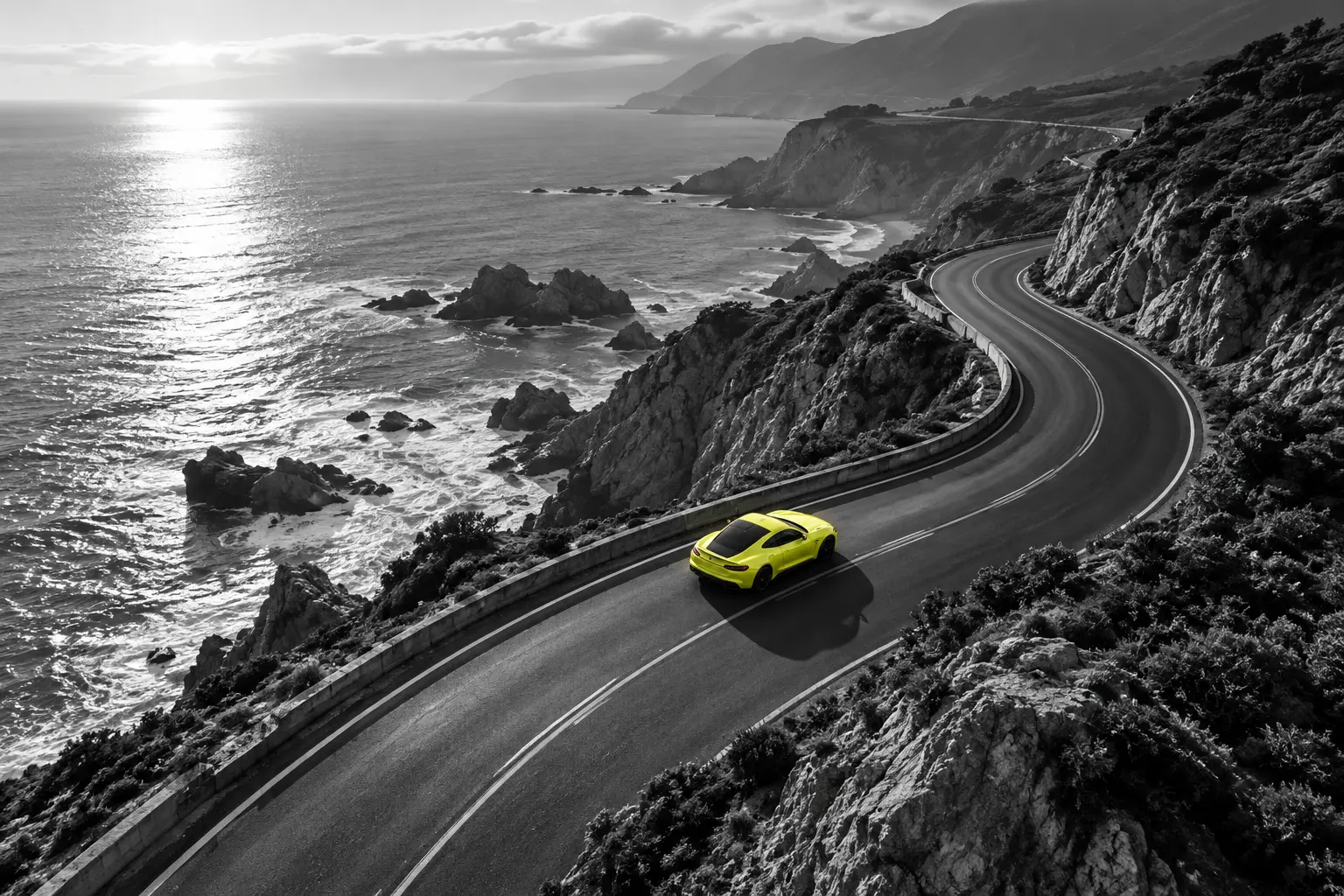
Every scene must serve a deliberate storytelling function. An opening wide reveal establishes the setting; a dynamic tracking shot emphasizes speed and motion; a closing pull-back provides emotional closure. However, product clarity and brand message must remain the highest priority. If the scenic landscape overshadows the product, the framing must be reconsidered.
Synchronize Ground and Aerial Cinematography in One Shot List
Bringing in the drone crew merely as an afterthought on the shooting day creates jarring visual inconsistency. The director and cinematography team must visualize the complete scene flow together:
- From which aerial angle does the camera transition to ground action?
- In which direction does the subject move across the frame?
- How does natural sunlight align between ground and air setups?
Plan for Both Horizontal and Vertical Formats Upfront
If a commercial film will be distributed across broadcast television, corporate websites, and social media platforms (Instagram Reels, TikTok, YouTube Shorts), framing considerations must be built into the storyboard. An ultra-wide landscape shot with the product centered in miniature may lose its focus when cropped to 9:16 vertical. Planning multi-format framing during shooting avoids awkward post-production crops.
Discover Posted’s commercial film production and drone cinematography services. Share your campaign brief with our production team to coordinate your next commercial shoot.